Start with real life, not the bike
The most common mistake buyers make is starting with the bike itself. In reality, the better starting point is your day-to-day routine.
An electric bike that’s perfect for a flat, short commute may feel heavy and impractical if it needs to be carried upstairs. A model designed for occasional leisure rides may struggle on steeper routes. Storage, distance, terrain, and frequency of use all shape what will feel comfortable and convenient over time.
When you begin with how the bike will actually be used, the right type of electric bike often becomes clearer very quickly.
Comfort matters more than most people expect
Motor power and battery size tend to dominate marketing, but comfort is what determines whether an electric bike becomes part of your routine or ends up unused.
Frame geometry influences posture and ease of riding. Bike weight affects how manageable it feels when stopping, turning, or lifting. Riding position can make the difference between arriving relaxed or feeling tense and uncomfortable. These factors rarely stand out in product descriptions, yet they have the greatest impact on everyday enjoyment.
A bike that feels right for your body and your environment will usually outperform a more powerful alternative that feels awkward or difficult to handle.
Power, range, and the reality of legal limits
Electric bikes sold for use on public roads in Europe must meet specific legal requirements. Assistance is limited, motors must work in conjunction with pedalling, and support cuts off at a set speed. These rules exist to ensure safety and consistency, but they also mean that bigger numbers are not always better.
In practice, most riders benefit more from smooth, predictable assistance than from maximum power. Similarly, advertised battery ranges often represent ideal conditions. Real-world range varies depending on terrain, rider weight, weather, and how much assistance is used, so it’s best viewed as a guideline rather than a promise.
Understanding these limits helps set realistic expectations and avoids disappointment later.
Features that sound useful but rarely are
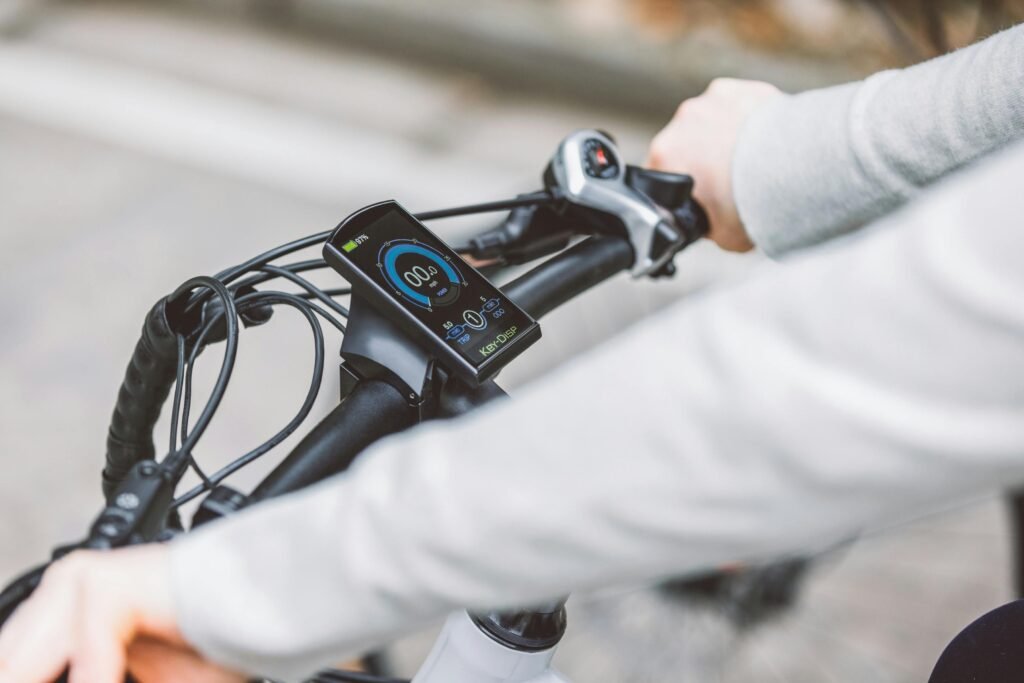
Many electric bikes include features that appear impressive but add little value for most riders. Very high-powered motors are unnecessary for flat urban riding. Oversized batteries add weight and cost when their capacity is rarely used. Advanced displays and connectivity features can look appealing but often don’t improve the riding experience in any meaningful way.
Focusing on reliability, comfort, and suitability tends to lead to a better long-term experience than chasing the most advanced specifications.
Thinking beyond the purchase
An electric bike isn’t just something you buy, it’s something you live with. Storage space, ease of charging, access to servicing, and general maintenance all affect ownership over time.
For many people, a simpler, well-supported bike is easier to maintain and more enjoyable than a highly specialised model. Practical considerations that feel minor at the point of purchase often become important once the bike is part of daily life.
Bringing it all together
If you’re mainly using an electric bike for work or daily travel, our guide to choosing an electric bike for commuting looks at what typically matters most in everyday use. Once you’re clear on how you’ll use the bike, what level of comfort you need, and how legal requirements apply, comparing suitable options becomes far less overwhelming. Instead of browsing endlessly, you can focus on a smaller group of bikes that genuinely fit your situation.
If you’d like help narrowing this down further, our comparison tools can help identify which types of electric bikes suit different needs and priorities.
A final thought
Choosing an electric bike isn’t about finding the “best” model on the market. It’s about finding the one that fits your life. When you focus on real-world use, understand the trade-offs, and avoid paying for features you don’t need, the right choice usually becomes clear.
If you’d like help narrowing this down further, our comparison tools can help identify which types of electric bikes suit different needs and priorities.

If you’re choosing an electric bike for regular travel or work, it can help to look at how different bikes suit commuting and delivery use in practice.
This guide is independent and informational. Some pages on this site may include commercial links.
Leave a Reply